15 Everyday Moments That Reveal Your Rotator Cuff Is Struggling After 60
If you’re over 60 and simple movements are starting to feel frustrating or even embarrassing, you’re not alone. These 15 common moments reveal what’s really happening with your shoulders — and how it’s quietly making you feel older, weaker, and more helpless than you should. Each one includes the hidden cause and one simple thing you can start today.
1. That sudden catch when reaching for your morning coffee mug
You reach for your favorite mug and feel a sharp tug that makes you freeze. In that moment you feel weak and hesitant, like your own body is betraying you. The hidden cause is often years of forward shoulder posture from reading or phone use that slowly wears down the rotator cuff tendons. Simple advice: Roll your shoulders back and down gently 10 times before reaching overhead.
2. Struggling to pull a shirt or sweater over your head
Getting dressed used to take seconds. Now you pause halfway, feeling frustrated and closed-off in your own body. This moment highlights rotator cuff strain from repetitive overhead motions and poor mobility. Simple advice: Dress the sore arm first and use your other arm to guide the sleeve without forcing the painful shoulder upward.
3. Pain when trying to fasten your bra or reach behind your back
Reaching behind to fasten a clasp or tuck in a shirt leaves you feeling embarrassed and dependent. This common frustration often stems from tight chest muscles pulling the shoulders forward. Simple advice: Practice gentle doorway chest stretches for 20 seconds twice a day to open the front of your body.
4. Waking up multiple times because your shoulder hurts when you roll onto it
You lie in bed feeling drained and hopeless, thinking “This is just aging.” The hidden cause is inflammation in the rotator cuff that gets pinched when you sleep on that side. Simple advice: Place a pillow in front of you to hug so your shoulder stays in a neutral position all night.
5. Hesitating before raising your arm to brush your hair or put on makeup
Standing in front of the mirror, you feel self-conscious and limited. This hesitation often comes from stiffness in the shoulder joint capsule after years of reduced movement. Simple advice: Warm your shoulder with a heating pad for 10 minutes before grooming tasks to increase blood flow.
6. Feeling weak when lifting grocery bags out of the car
You used to swing those bags easily. Now you feel drained and fearful you’ll drop them. The real cause is often a weak or inflamed supraspinatus muscle in the rotator cuff. Simple advice: Carry bags close to your body with elbows bent instead of letting arms hang straight down.
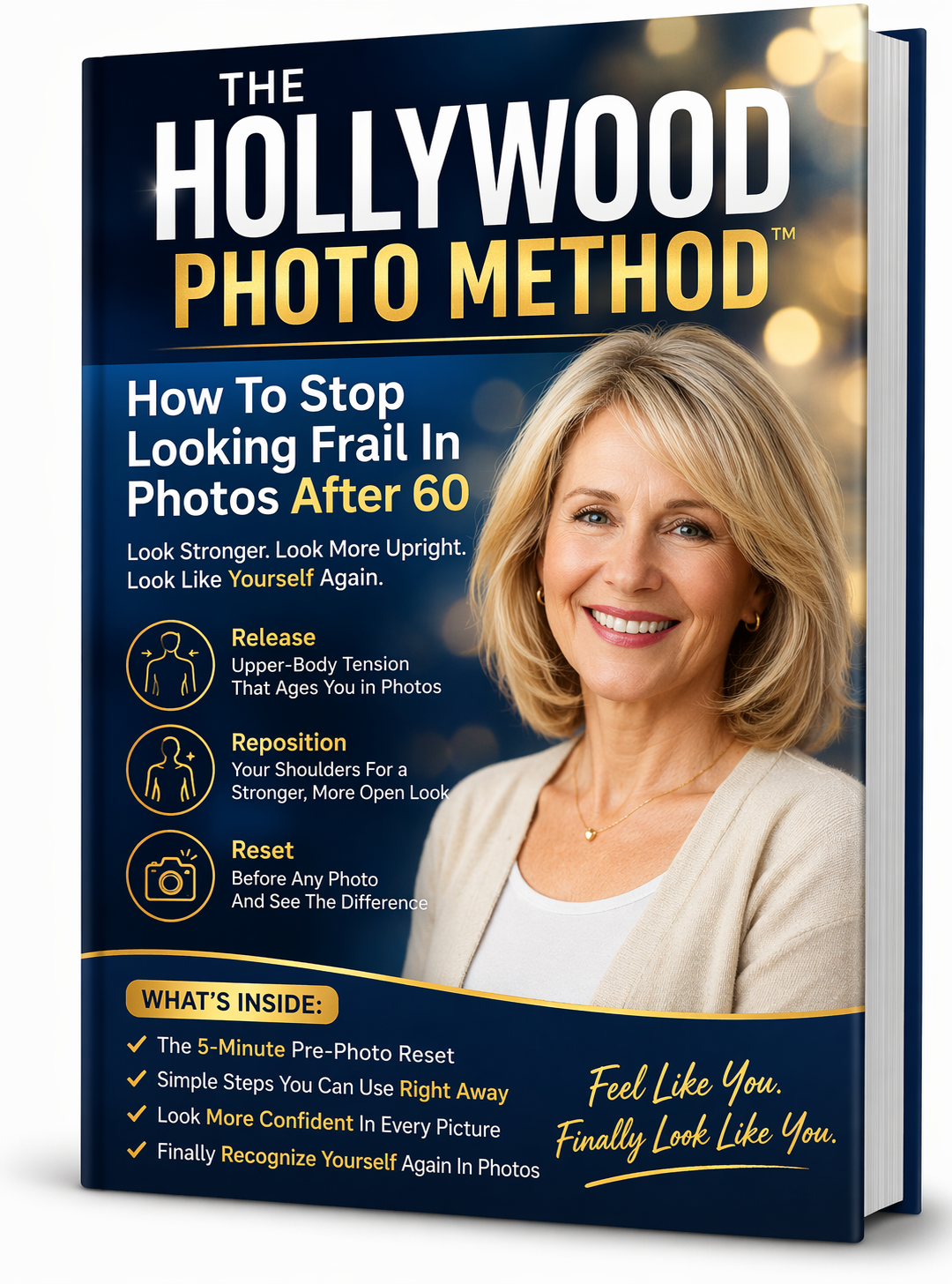
7. Avoiding photos because your shoulders look slumped and rounded
You notice yourself slouching in pictures and feel self-conscious about how old you look. Forward shoulder posture from daily habits silently damages the rotator cuff over time. Simple advice: Set a phone reminder three times a day to sit or stand tall and squeeze your shoulder blades together for 5 seconds.
8. Sharp pain when putting on or taking off a seatbelt
Reaching across your body to grab the belt makes you wince and feel frustrated with daily routines. This motion stresses the rotator cuff in a vulnerable position. Simple advice: Turn your torso toward the buckle first so your shoulder doesn’t have to reach as far across.
9. Getting tired just holding your arms up while washing your hair
Shower time used to be relaxing. Now it leaves you feeling worn out and limited. Overhead movements quickly fatigue an irritated rotator cuff. Simple advice: Keep elbows lower and use a lightweight shampoo bottle while gently tilting your head instead of raising arms high.
10. Needing help to reach something on a high kitchen shelf
Asking your spouse or child for help makes you feel embarrassed and afraid you’re losing independence. The hidden cause is loss of shoulder mobility from underuse. Simple advice: Use a sturdy step stool and keep frequently used items between waist and shoulder height.
11. Feeling a dull ache after folding laundry for just 10 minutes
Simple chores now leave you rubbing your shoulder and feeling stuck in constant discomfort. Repetitive forward reaching without support wears down the rotator cuff. Simple advice: Fold clothes at a table high enough that your elbows stay close to your body.
12. Pain when trying to put on a coat or jacket
Getting ready to leave the house becomes an annoying struggle that makes you feel older than your years. The motion requires external rotation that an inflamed rotator cuff resists. Simple advice: Put the sore arm in the sleeve first and use the healthy arm to swing the coat around your back.
13. Avoiding hugging friends because it hurts to reach out
You hold back from physical affection and feel closed-off and isolated. This emotional toll often comes from anterior shoulder tightness. Simple advice: Practice gentle pendulum swings with your arm hanging loose for 30 seconds twice daily to loosen the joint.
14. Wincing when reaching behind to wipe after using the bathroom
This private moment leaves you feeling helpless and embarrassed. It requires internal rotation that becomes painful with rotator cuff issues. Simple advice: Use pre-moistened wipes on an extender tool so you don’t have to reach as far.
15. That heavy, tired feeling in your shoulders by mid-afternoon
By 3pm you’re rubbing your shoulders and feeling completely drained from fighting stiffness all day. Poor posture and lack of shoulder blade strength cause constant low-level strain. Simple advice: Do 10 slow shoulder blade squeezes every hour while sitting or standing to build endurance without pain.
Which of these moments do you relate to most? Drop a number below. The full article with more tips is linked in our bio.
Many people assume this is simply part of getting older. But often, the real issue is the shoulders slowly pulling everything forward over time. That’s why so many people begin looking older, weaker, and more tired than they actually feel.